The U.S. Mint shocked the collectibles market on January 15, 2026, when it announced price increases across its precious metals program. American Silver Eagle Proofs jumped from $95 to $173—an 82% increase that reverberated through dealer networks and collector forums within hours. Reverse Proof Morgan dollars hit the same $173 price point, while bullion-grade American Silver Eagles from authorized dealers saw spot premiums widen from historical 8-12% to 40-60% overnight.
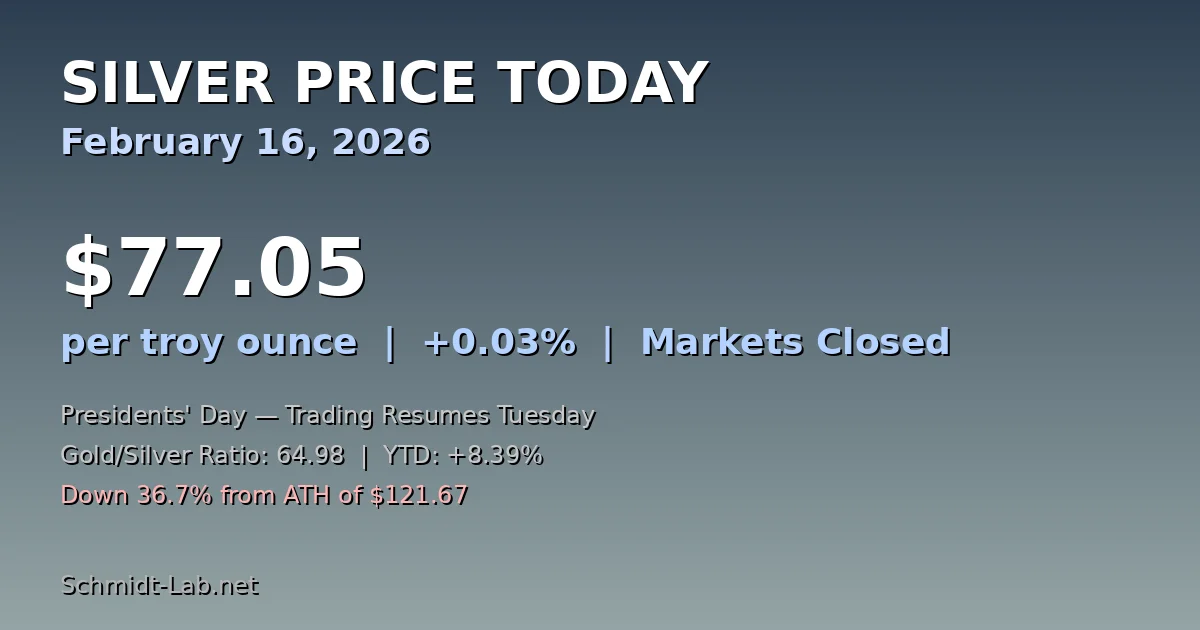
This wasn't a supply shock in the traditional sense. The U.S. Mint still had production capacity. Instead, collectors faced an allocation shock—a deliberate strategy by the Mint to manage unprecedented demand following silver's extraordinary run. Silver hit an all-time high of $121.67 on January 29, 2026, representing a 180% surge from the start of 2025. That momentum drove retail demand to levels the Mint's distribution channels couldn't sustain at traditional pricing.
Understanding the 2026 U.S. Mint Price Increases
The Mint's official stance emphasized cost pressures: higher metal costs, increased labor expenses, and facility modernization investments. But the real story was demand management. By raising Proof coin prices 80%+, the Mint effectively rationed allocations to authorized purchasers and reduced casual buyer participation, ensuring serious collectors and dealers could actually acquire coins rather than watching allocation get exhausted in seconds.
| Product | Previous Price | New Price (2026) | Increase % | Premium Over Spot* |
|---|---|---|---|---|
| American Silver Eagle Proof (1 oz) | $95 | $173 | +82% | 116% ($80 spot) |
| Reverse Proof Morgan Dollar | $95 | $173 | +82% | 116% ($80 spot) |
| American Silver Eagle Bullion (1 oz, tube of 20) | $24 per coin | $28-32 per coin* | +17-33% | 40-60% over spot |
| American Gold Eagle Proof (1/10 oz) | $250 | $315 | +26% | Varies by date |
| Uncirculated Silver Eagle | $32 | $48 | +50% | 60% over spot |
*Spot price approximately $80/oz as of mid-February 2026
Why Premiums Exploded: The Demand-Supply Mismatch
The fundamental driver behind 2026 premium expansion is straightforward: demand vastly exceeds available supply through traditional channels. When silver climbed from $44.65 at the start of 2025 to $121.67 in late January 2026—a move that shocked even bullish analysts—retail investors stampeded into precious metals dealers. Authorized U.S. Mint purchasers faced allocation limits of just 100 coins per order for certain products, down from unlimited ordering in previous years.
This created a tiered market:
Primary Market (U.S. Mint): Proof Eagles at $173 represent the official floor price for new Mint inventory. Authorized purchasers faced allocation caps, with most orders limited to 2-5 boxes (100-250 coins per person).
Secondary Market: Dealers immediately repriced inventory. A Silver Eagle Proof that sold for $100 in December 2025 commanded $185-200 by mid-January 2026. Generic bullion-grade rounds, which typically carry 8-12% premiums, spiked to 40-60% premiums as collectors unable to secure Mint allocations pivoted to alternatives.
Historical Context: Silver Eagles have consistently traded at 6-8% premiums over spot when premiums are "normal." The current 40-60% spread for bullion coins represents a 4x-7x expansion. Historical data suggests this normalizes over 3-6 months as supply catches up or demand moderates.
Mint Allocation Limits and Dealer Constraints
The Mint's move to allocation caps directly impacted how collectors access coins. Previously, dealers could purchase unlimited quantities from the Mint and resell at modest markups. The 2026 allocation system changed this dynamic:
- Authorized Purchaser Limits: Most dealers capped to 100-250 coins per order, per product per month
- Waiting Lists: Major dealers (APMEX, JM Bullion, Monex) immediately implemented waitlists, with some extending 4-8 weeks
- Pricing Power Shift: The Mint essentially ceded pricing control to secondary dealers. If the Mint won't increase supply, dealers will increase prices to match demand
- Local Coin Shops: Independent local dealers faced allocation limits equivalent to larger retailers, creating an arbitrage opportunity. Some collectors visited 5-10 local shops to accumulate Mint allocations
This is particularly important for collectors in non-metropolitan areas. Without access to large dealer networks or online resources, sourcing Silver Eagles became genuinely difficult in Q1 2026.
Dealer Pricing Comparison: Mint vs. Secondary Market
The gap between Mint pricing and dealer markups reflects dealer carrying costs, margin expectations, and market conditions. As of mid-February 2026:
Proof Eagles: The Mint asks $173. APMEX lists them at $185-200 (small premium for certainty of receipt). Smaller dealers list at $200-225, reflecting lower inventory and higher operational costs.
Bullion Eagles: Generic rounds go for $28-30 per coin (40-60% over $80 spot). American Silver Eagle bullion coins trade at $29-32 per coin from dealers (comparable to rounds, but with numismatic premium). The narrowing spread reflects the reality that bullion collectors see little added value in government-issued bullion versus private mint rounds.
Grey Market: Private collectors reselling through forums and online marketplaces achieve $175-190 per Proof Eagle, often acquiring coins through accumulated Mint purchases or hoarding during periods of lower premiums.
The key insight: if the Mint won't increase production or raise prices proportionally, dealers will. The current dealer markup on Proof Eagles ($12-52 above Mint price) reflects pure allocation scarcity premium, not underlying production cost increases.
Why Collectors Are Turning to Alternatives
Smart collectors recognize that 116% premiums on government-issued silver coins represent questionable value. When you can acquire certified, .999 pure silver from reputable private mints at 8-15% premiums, the math shifts dramatically. A 1-ounce Silver Eagle Proof at $173 is betting heavily on future collectibility and numismatic premium. The same ounce of silver in a generic round at $27-28 is a pure silver play.
Generic Rounds: Produced by private mints (Sunshine Mining, Monarch Precious Metals, etc.), generic rounds offer identical purity and weight to Silver Eagles at 1/5 to 1/7 the premium cost. The trade-off: no government backing, no numismatic premium, lower liquidity in tiny quantities. For collectors accumulating significant positions, the premium savings are substantial.
Junk Silver: Pre-1965 U.S. dimes, quarters, and half-dollars contain 90% silver. They trade at 5-12% premiums over spot and offer historical appeal, local sourcing options, and simple denominations for distribution. A $10,000 position in junk silver costs $11,000-12,000. The same position in Silver Eagles costs $11,600-13,000 (at 40-60% premiums).
Canadian Maple Leafs: Lower premiums (25-35% over spot) than Eagles but maintain government backing, purity certification, and strong international liquidity. For collectors who want official coins without the Mint premium shock, Maples represent an underrated alternative.
100-ounce Bars: Silver bars in larger denominations cut premiums significantly. A 100-ounce bar trades at 3-6% over spot, compared to 40-60% for ounce coins. For wealth preservation rather than collectible appeal, bars offer superior economics.
Collector Strategies for 2026
Surviving the shortage requires tactical thinking. Here's what successful collectors are doing:
Strategy 1: Patience and Scaling. Rather than panic-buying at current premiums, accumulate during weakness. Silver rarely sustains elevated prices for extended periods. If spot moves below $70/oz, premiums typically compress as demand softens. Building positions over 3-6 months versus 3-6 weeks can reduce effective premium costs by 20-30%.
Strategy 2: Dealer Relationships. Collectors with long-standing relationships at local coin shops gained priority access to allocation. Building such relationships now—buying certified coins, participating in customer appreciation events—positions you for future allocation access during shortages.
Strategy 3: Portfolio Diversification. Don't concentrate 100% of silver holdings in Eagles. Allocate 30% to Eagles (for numismatic/historical value), 40% to generic rounds (pure silver economics), 20% to junk silver (distribution/liquidity), and 10% to bars (wealth preservation). This hedges against allocation constraints in any single product.
Strategy 4: ETF Optionality. For collectors comfortable with digital ownership, silver ETFs offer exposure without premium concerns. Products like SLV and PSLV provide liquid, tax-efficient silver positions without the 40-60% physical premiums. While less tangible than coins, ETFs eliminate allocation risk.
Strategy 5: Monitor Mint Announcements. The Mint typically signals production changes 4-6 weeks before implementation. Subscribe to official Mint alerts and dealer newsletters. When allocation limits are relaxed or new products launch, that's your window to acquire at lower premiums before secondary market pricing adjusts.
What the Current Situation Means for Our Silver Price and Value Guide
The 2026 shortage doesn't change silver's intrinsic value or long-term investment case. Premiums are cyclical and eventually normalize. What it does change is the tactical approach to acquiring silver. The allocation constraints and premium expansion make the case for understanding premium dynamics across different products more important than ever.
Collectors who accumulated Silver Eagles at 8-12% premiums in 2024 are effectively sitting on speculative premium gains, not silver gains. Future collectors will benefit from this market stress by understanding that premium cycles are predictable and exploitable. When premiums normalize from 40-60% back to 8-12% (a typical reversion), those who bought at elevated premiums will face meaningful losses regardless of silver price direction.
The 2026 shortage is a reminder that physical precious metals collecting is simultaneously about silver ownership and about understanding market mechanics. Both matter.You May Also Like
- Silver Price in 2026: Current Value, Where It Is Headed, and How to Invest - Related article
- Physical Silver Premium Guide 2026: What You Actually Pay Over Spot for Coins, Bars, and Rounds - Related article
- Silver ETF Comparison 2026: SLV vs PSLV vs SIVR — Which Is the Best Way to Own Silver? - Related article
Sources
Written by
Sarah Kim
Collectibles market analyst covering precious metals, coins, and alternative investments.